

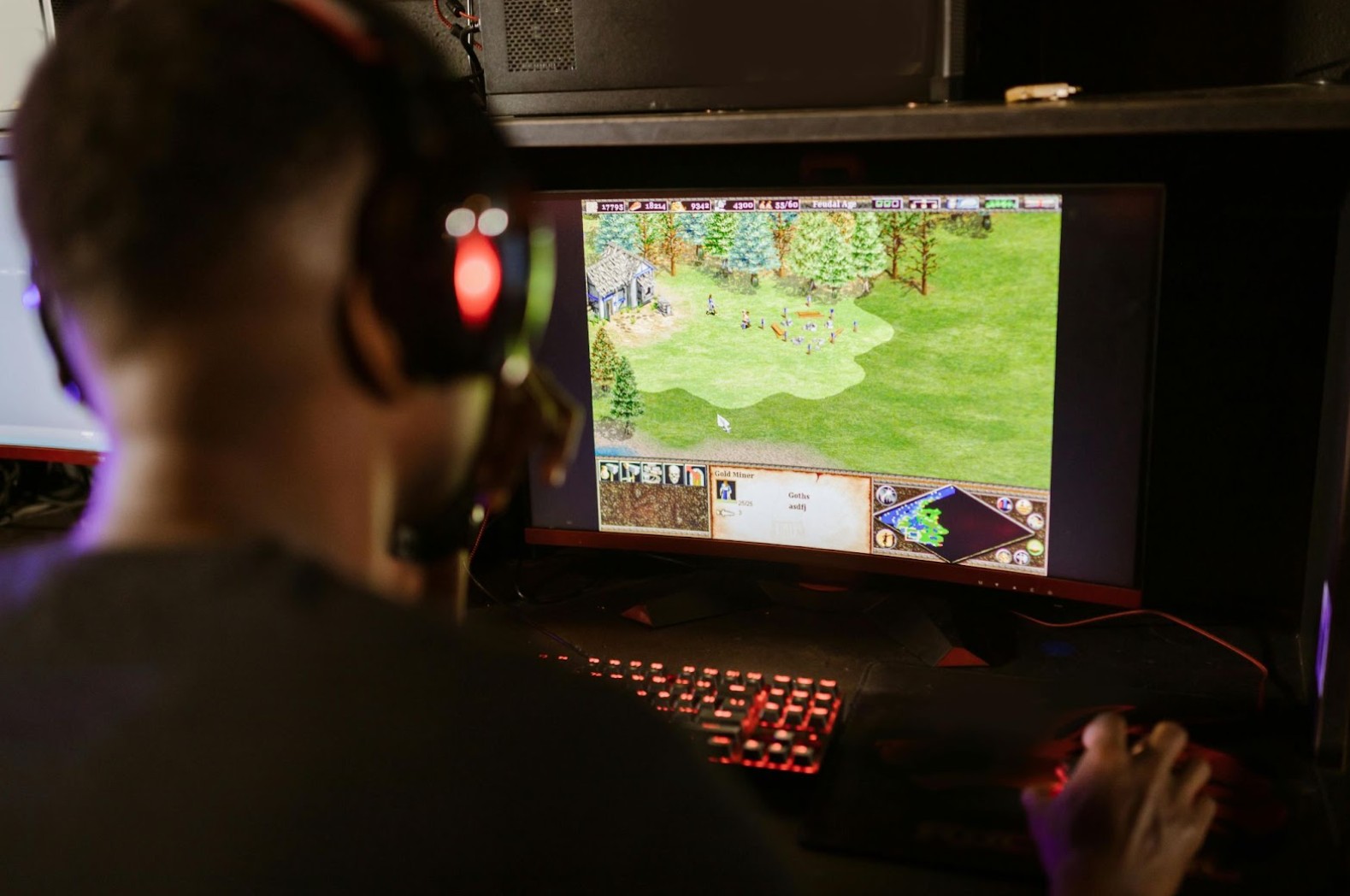
Gaming has changed a lot over the years; the screens are now sharper, the worlds are bigger, and the communities stretch right across the globe.
But the whole reason the people play games has stayed the same: you play because it feels good to focus on something that is fun. You play to have a little bit of unwinding time, to challenge yourself, or to connect with other people without having any pressure.
We’re going to have a look at why gaming still plays an important role in everyday life, how different types of games serve different moods, and why variety matters if you want gaming to stay enjoyable rather than feeling exhausting.
Gaming Is More Than Just Entertainment
The surface-level games help you to pass time, but spend enough time playing, and you’ll notice something deeper happening. Games give your brain a clear goal; they reward you for the effort that you put in, and they let you fail without real consequences. They let you try again right away. That loop is really important when real life feels messy or slow.
Games offer you a little bit more structure. You know what success looks like; you know what you’re working towards, and that sense of direction can feel a bit more grounded, especially after you’ve had a long day. Even casual games do this. You do not need to have the leaderboards or competitive rankings in order to benefit; you just need something that holds your attention and lets your mind settle down.
Different Games for Different Moods
Not every gaming session needs to be intense. Some days, you want action and speed, while on others, you might prefer something quiet and thoughtful. The best gaming habits come from matching the game to your mood instead of forcing yourself into just one playing style.
Strategy games allow you to slow down, as they require you to think ahead and accept delayed rewards. Puzzle games help you reset your focus, and open-world games let you explore without any pressure. Even classics like chess remain relevant because they boil down to pure decision-making. Without flashing lights and constant noise, it’s just you, the board, and your next move. This simplicity is why some games never lose their appeal.
Tom Cruise filmed a lightsaber battle! Plus loads of new details on Star Wars: Starfighter
Why Old Games Still Hold Up
There is a reason why people often return to retro games. Older titles didn’t rely on endless updates or online systems; they had to provide complete experiences from the start. Game mechanics mattered more than visuals, and difficulty was an integral part of the design rather than something that could be adjusted later on.
When playing older games today, you can feel that focus; the levels seem more intentional, and progress feels more meaningful. There is no pressure to log in daily or keep up with ongoing events. Retro games also remind us that fun doesn’t depend on realism. The pixel art and simple soundtracks leave plenty of room for imagination, giving your mind space instead of filling every moment with constant stimulation. For many players, this lighter experience feels refreshing after years of modern gaming.
The Social Side of Gaming Has Changed
Gaming used to be local; you sat next to somebody on the couch, or you passed the controller back and forth to your friends. Now most interactions happen online, and that shift does have some pros and cons. Online gaming makes it easy to find people who share the same interests as you; you can play with friends across the country, or you can meet new players instantly. For many people, these connections are really important,t and they matter. But constant online presence can also add pressure to you. Voice chat, rankings, and public stats make every match feel really serious.
Even games meant to be fun can start to feel a little bit like they are effort and work. Balancing solo play with social gaming helps prevent you from having burnout. You do not need to be available every single time someone sends you a game invite. Gaming should fit in with your life rather than have control over it.
Matthew Lillard talks indepth about his return as Stu Macher in Scream 7
Short Sessions Count Too
You do not need to have hours of free time to enjoy gaming. Short sessions can be just as satisfying if the game respects your time. Turn-based games, handheld titles, and single-player modes work great for this. Fifteen minutes of focused play can help to reset your mood better than actually scrolling through your phone. You finish feeling lighter rather than feeling drained. This is really important as schedules get busier; gaming stays enjoyable when it is adapted to your life rather than demanding more from it.
Skill, Progress, and Personal Goals
One reason gaming stays appealing is because of its growth. You start out unsure about what’s going on, you learn systems, and you improve through practice. That type of progress feels real, even if the stakes are virtual. So, some people chase mastery; others just want to feel a little bit better than the last time that they played. Both approaches are valid.
The key is setting personal goals instead of comparing yourself to everybody else who played. Playing leaderboards can motivate you, but they can also drain the fun if you let them define the experience that you are having. Games work best when progress feels personal rather than competitive.
Conclusion
Gaming is important because it meets you where you are. It can challenge you, it can calm you down, or it can simply give you something to enjoy or focus on for a little bit of time. From modern releases to timeless experiences like chess and classic retro games, variety keeps the hobby alive and meaningful.
You do not need to play everything; you just need to have a game that fits in with your mood and gives you new reasons for playing. When gaming stays flexible, it remains something that is fun.
Perlman may be 75 but he still wants to do that third Hellboy with Del Toro

Clark Kent
Usually very busy as, em, professional cos-player but also enjoy putting fingers to buttons from time to time.

Nerd Comments