

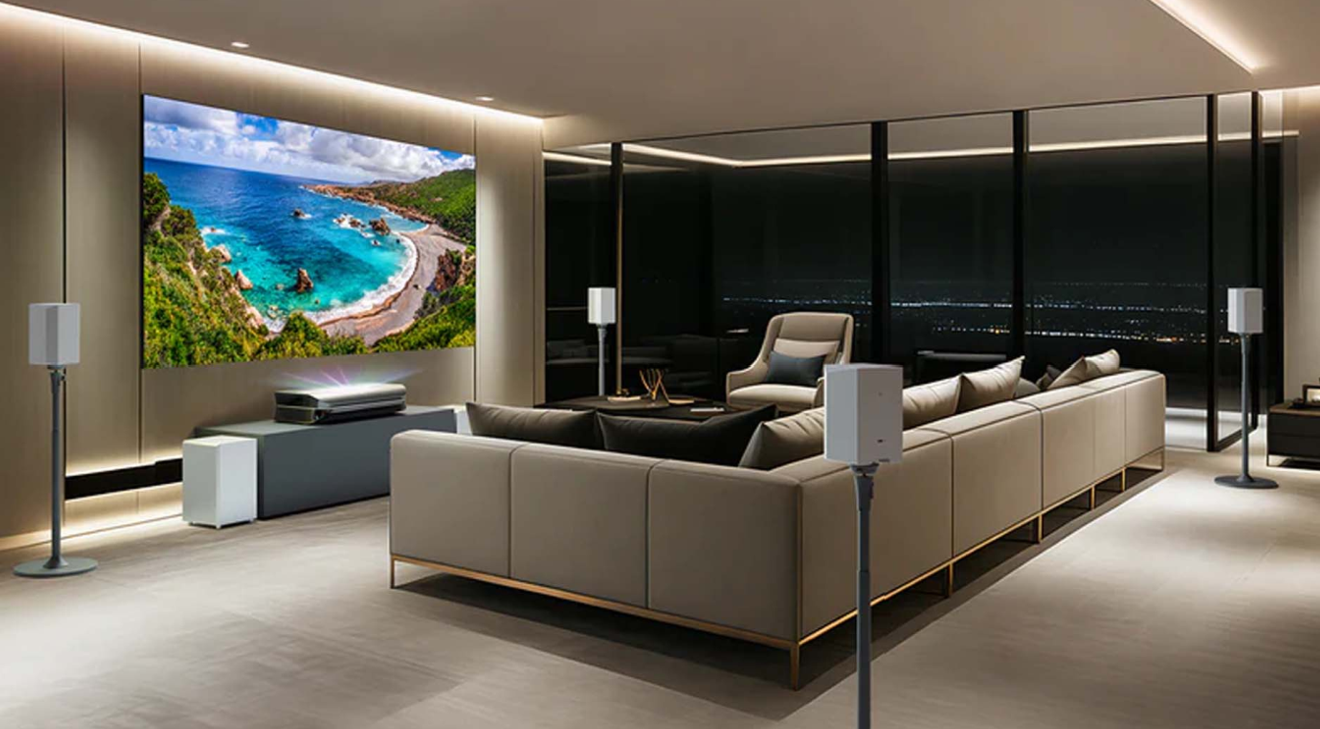
There is something undeniably magical about sitting in a completely darkened room while the opening credits of a highly anticipated film begin to roll.
The outside world simply melts away, your daily stress takes a backseat, and you are instantly transported into a completely different universe. For decades, achieving that level of pure escapism meant buying overpriced tickets, waiting in long lines, and dealing with people talking loudly a few rows behind you. Today, pulling off the absolute best way to watch movies at home is more achievable than ever before.
You do not need a million-dollar mansion or a Hollywood budget to recreate that theatrical magic. A proper home cinema setup guide is really just about understanding how to manipulate your physical space to serve the story on the screen. It is about tricking your brain into forgetting you are sitting in your own house.
WATCH: Teaser for Darren Aronofsky-produced horror Pendulum is here
What Makes a Cinema Feel Like a Cinema
If you take a moment to analyze what actually makes a commercial theater special, it really has very little to do with the specific brand of speakers hanging on the walls. The true magic lies entirely in the intense focus the environment demands from you. A proper theater removes all visual and auditory distractions, forcing your senses to lock onto the narrative unfolding in front of you. When you decide to build a dedicated home theater for movie fans, your primary goal should be eliminating anything that pulls you out of the story. You want to control the lighting, manage the acoustics, and create a space where looking at your smartphone suddenly feels like a crime.
The Emotional Difference of a Big Screen
We have all gotten incredibly used to watching brilliant television shows and massive blockbuster movies on standard flat panels or even our laptops. While those devices are perfectly fine for catching up on the daily news, they completely fail to trigger the psychological immersion that a massive display provides. A truly giant image fills your peripheral vision, making you feel like you are physically participating in a car chase or walking through an alien landscape rather than just passively observing it through a tiny window. That sheer scale is what separates a casual viewing experience from a deeply emotional one.
Richard Kelly pens Donnie Darko sequel novel, plans to make several sequel movies
Choosing the Right Screen and Image
When you start mapping out your renovation, it is remarkably easy to get hopelessly lost in a sea of confusing technical jargon and aggressive marketing claims. However, creating a breathtaking cinematic environment usually requires thinking a bit outside the box when it comes to your display. A massive black plastic rectangle hanging on your wall simply does not scream premium theater.
Why Fans Prioritize Picture First
True cinephiles know that image quality dictates the entire mood of the room. You want to see the deep, murky shadows of a gritty detective thriller and the vibrant, exploding colors of a science fiction epic exactly as the director intended. This is where moving away from traditional televisions becomes incredibly tempting. By upgrading to a high-end 4K RGB laser projector, you can easily beam an absolutely massive, flawlessly sharp image that dominates your field of view without washing out the subtle details. Achieving those deep blacks and impossibly rich colors completely transforms a regular Tuesday evening into a genuine premiere event.
WATCH: Marvel marks the last time the MCU was good with trailer for Avengers: Endgame Encore
Sound That Surrounds Without Overwhelming
Audio is arguably half of the entire cinematic experience, yet it is often the last thing people think about when putting their rooms together. There is a very common misconception that good sound just means incredibly loud sound. In reality, a proper audio setup is all about achieving pristine clarity and directional accuracy. You want to hear the delicate crunch of dry leaves under a character’s boot just as clearly as you feel the chest-thumping rumble of a nearby explosion. Instead of just buying the biggest subwoofer you can physically fit through your front door, focus heavily on center channel dialogue clarity. If you cannot actually understand what the actors are saying without turning on the subtitles, your illusion is immediately broken.
Comfort and Atmosphere Matter More Than Gadgets
You can easily drop an entire year’s salary on the absolute most bleeding-edge technology available, but if your seating situation is miserable, nobody is going to want to hang out in your room. A premium space needs to physically welcome you in. Soft, supportive seating that lets you recline comfortably for a three-hour director’s cut is arguably just as important as the pixels on the wall. Dimmable smart lighting that slowly fades to black when you hit play adds an incredible layer of sophistication that costs very little to implement.
Little Rituals That Elevate the Experience
Sometimes the best upgrades have nothing to do with electronics at all. Building anticipation is what makes a traditional movie night at home feel like a special occasion rather than just another lazy weekend habit. Making real popcorn on the stove, having a designated candy stash, and formally deciding on a feature film beforehand gives the evening a wonderful sense of structure. Furthermore, your setup needs to adapt to your specific lifestyle. If your family prefers spending their Sunday afternoons binging nature documentaries with the curtains wide open, investing in a specialized projector for all-day entertainment ensures you get a wonderfully punchy and bright picture regardless of how much sunshine is pouring through the windows.
Common Mistakes That Ruin the Illusion
Even the most meticulously planned spaces can fall victim to a few easily avoidable rookie errors. The single most tragic mistake is leaving motion smoothing features turned on. This digital processing trick removes the natural cinematic blur from films, making epic blockbusters look incredibly cheap and unnatural. Take five minutes to dig into your display menus and turn it off completely. Additionally, avoid placing any highly reflective decorations or glass-framed artwork directly adjacent to your screen, as the distracting glare will constantly pull your eyes away from the action. By paying attention to these small environmental details and focusing entirely on immersive comfort, you can easily build a spectacular personal theater that completely rivals your local multiplex.
Vin Diesel confirms filming date for final Fast & Furious movie

The Nerd
The Nerd is the one who lurks in the shadows of the FTN HQ, writing mysterious articles and sponsored posts. No one has ever seen him and most are happy at that... but some of us are still curious

Nerd Comments