

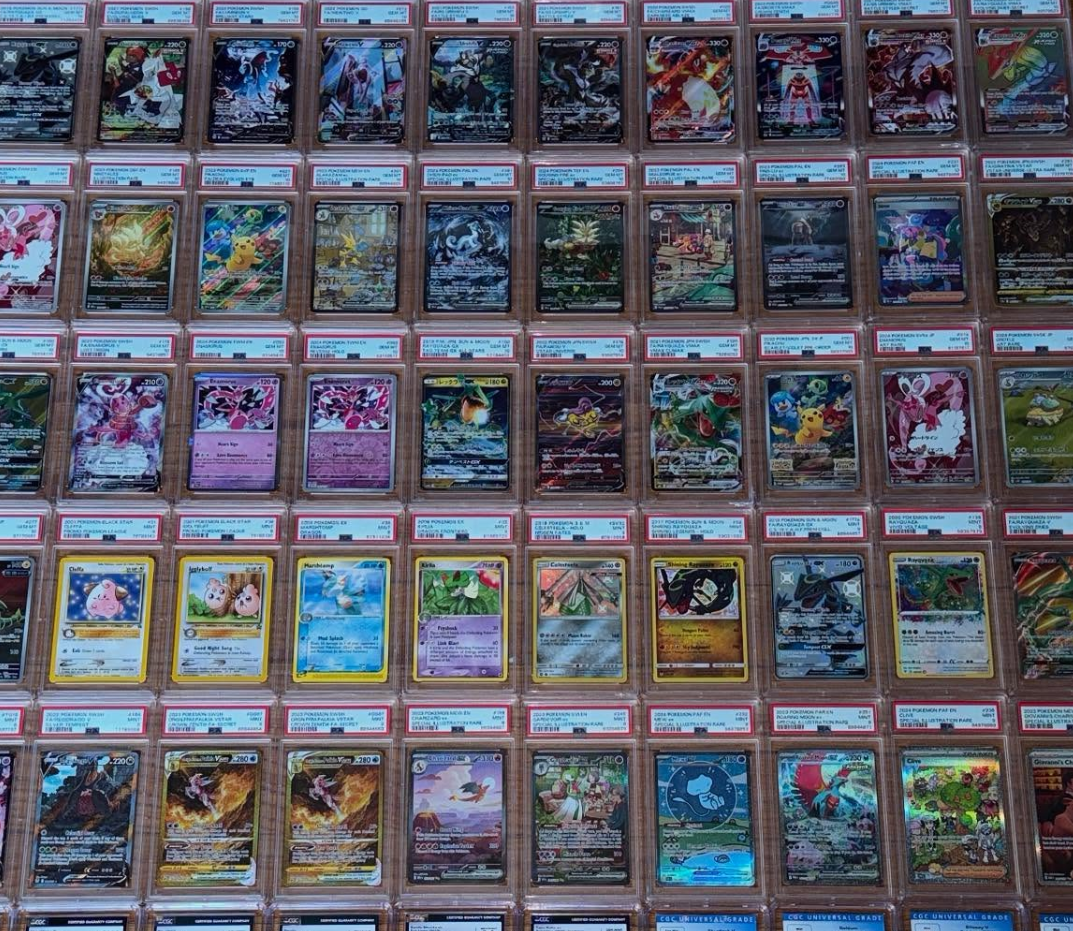
For lots of pop culture collectors, getting a card professionally graded is a big moment. A grading company looks it over. Gives it a condition grade. Seals it inside a hard plastic case. That sealed holder protects way more than a regular sleeve or loose holder ever could. Makes the card easier to show off too. Easier to organize. Easier to spot in a collection.
But the case itself? Not immune to wear. Collectors who handle their slabs a lot, move them around, put them on shelves, take them to conventions, start noticing stuff. Scratches. Scuffs. Fingerprints. Little marks on the outside. That’s where an extra layer comes in handy.
A Graded Card Is Different From a Raw Card
A raw card’s just ungraded. Not sealed in a grading company’s holder. Depending on storage, it can get bent. Scratched. Dusty. Damp. Covered in fingerprints. Knocked around by accident.
Collectors use all kinds of stuff to cut those risks. Penny sleeves. Semi-rigid holders. Top loaders. Magnetic cases. How well it works depends on the holder. And the handling.
A graded card’s protected differently. Once it’s graded and sealed, the card sits inside a rigid case. Locked in. Front and back still visible, no need to take it out.
That difference matters. An extra guard isn’t meant to replace the grading case. It protects the case. Not the card directly.
The Slab Can Still Show Signs of Handling
Slabs are tough. Tough isn’t the same as flawless forever, though. Plastic picks up fine scratches. Rubbing against other slabs. Storage boxes. Shelves. Tables. Whatever’s nearby.
Robert Eggers to follow Werwulf with Romeo and Juliet adaptation
Handling leaves fingerprints and small scuffs too. The card inside’s fine. Doesn’t matter. A slab that once looked clean still ends up looking worn.
Shows up most on valuable cards. Or really good-looking ones collectors want on display. Someone puts real care into keeping the card perfect. Then the holder around it ends up all scuffed. Kind of frustrating, honestly.
What a Graded Guard Does
A graded guard an outer cover. Slides right over an already sealed slab. Basically a protective shell for the slab. Not another holder for the card.
Key thing? The card stays sealed. No opening the case. No pulling the card out. No messing with the encapsulation. Original grade and certification stay untouched.
The extra layer cuts down direct contact between the slab and everything around it. Guard picks up a minor scratch or scuff? The slab underneath still has something between it and that contact.
We’ve had our first look at the Energon Universe in animation
Makes the most sense for collectors who treat slabs as long-term collectibles. Not things that just sit untouched in a cabinet.
Why Convention Travel Can Increase Wear
Conventions are one of the best parts of collecting. People bring graded cards to trade. Sell. Compare. Display. Or just show off to other fans.
Travel means more handling, though. Slabs tossed into bags. Carried between tables. In and out of boxes. Picked up again and again all day. Other stuff rubbing against them on the way.
An outer guard adds a buffer. Doesn’t make a card indestructible. Plain and simple. But it keeps the slab away from a lot of that everyday contact.
Display and Storage Considerations
Storage matters too. When cards aren’t traveling. A graded card might sit for years. On a shelf. In a display case. In a storage box.
Keeping slabs apart cuts unneeded contact. Clean hands help. So does skipping harsh cleaning stuff. An outer guard fits right in with those habits. One more physical layer around the case.
Same idea shows up across collecting. Comic collectors use bags and boards. Figure collectors use display cases. Card collectors stack multiple levels of storage. Point isn’t wiping out every possible risk. Just cutting the avoidable ones.
Choosing Protection Without Altering the Collection
Big plus of an outer guard? No changes to the graded card. Grading case stays intact. And the cover comes off whenever needed.
WATCH: Did Stuart Fails to Save the Universe just become part of the DC Multiverse?
So protection works in layers. Slab protects the card. Guard protects the slab from everyday use.
For collectors looking into this kind of accessory, Dragonscale Supplies is one source of gear built around graded-card protection. Including the graded guard idea.
Protecting the Slab Protects the Presentation
Grading gives more than a condition score. The sealed holder becomes part of how the collectible gets stored, moved, displayed, handled. Keeping that holder in good shape is worth it. Even with the card already sealed away safely.
For serious collectors, the step after grading doesn’t have to mean changing the card. Sometimes it’s just protecting the protection that’s already there. An outer guard’s a simple way to put one more layer between a sealed slab and the scratches, scuffs, and handling that come with actually enjoying a collection.
WATCH: Christmas at the Kringles trailer looks bloody good fun

Marc
Marc is a self-confessed nerd. Ever since seeing Star Wars for the first time around 1979 he’s been an unapologetic fan of the Wars and still believes, with Clone Wars and now Underworld, we are yet to see the best Star Wars. He’s a dad of two who now doesn’t have the time (or money) to collect the amount of toys, comics, movies and books he once did, much to the relief of his long-suffering wife. In the real world he’s a graphic designer. He started Following the Nerd because he was tired of searching a million sites every day for all the best news that he loves and decided to create one place where you can go to get the whole lot. Secretly he longs to be sitting in the cockpit of his YT-1300 Corellian Transport ship with his co-pilot Chewie, roaming the universe, waiting for his next big adventure, but feels just at home watching cartoons with his kids….

Nerd Comments